Guide · Jul 28, 2026
Best Smart Home Devices for Beginners: A Complete Starter Guide
Looking to automate your residence easily? Discover the best smart home devices for beginners, from smart plugs to voice assistants, with zero technical hassle.
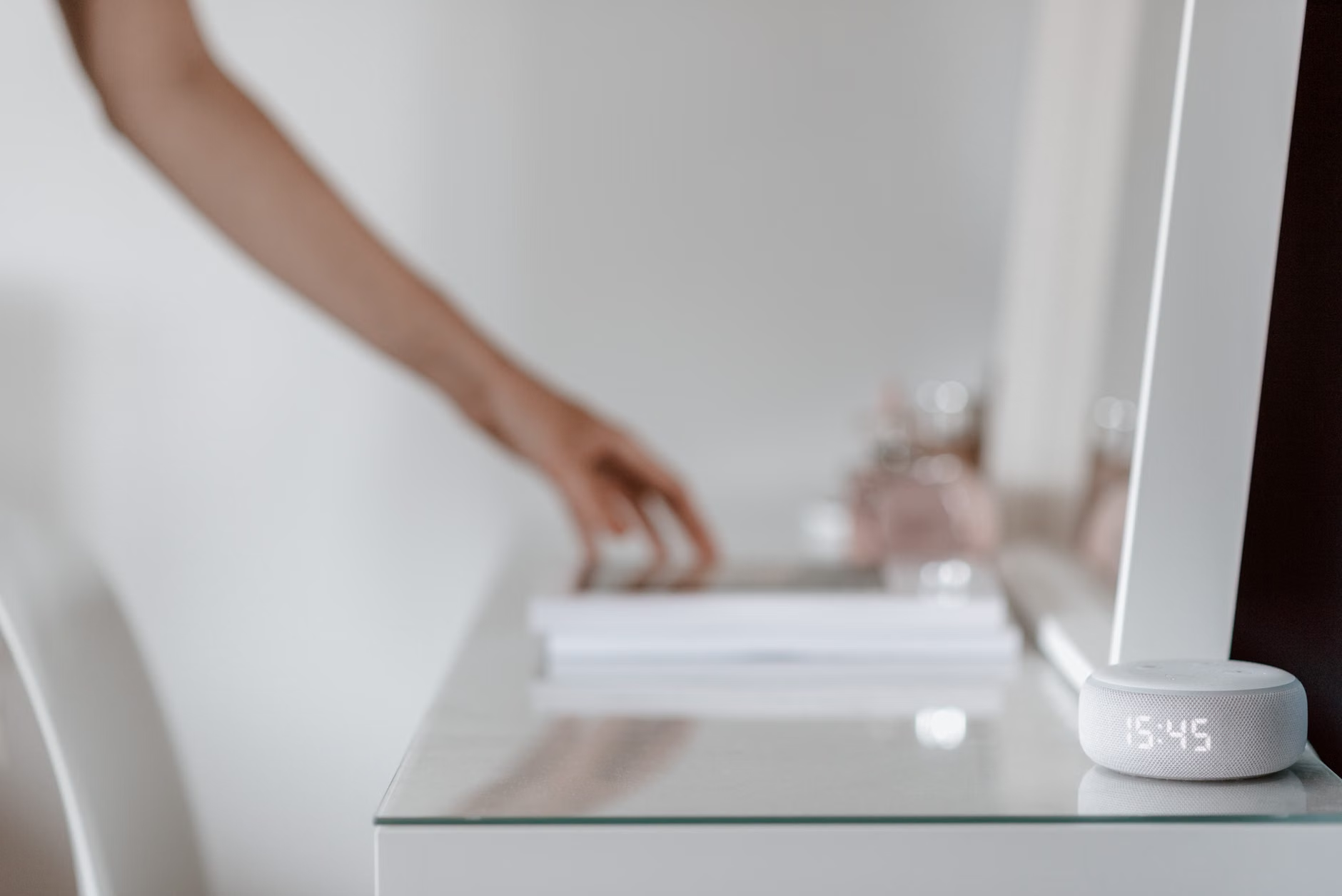
Transforming your living space into an automated sanctuary can feel overwhelming given the thousands of products on the market today. However, finding the best smart home devices for beginners does not require a tech degree or a massive budget. By starting with simple, reliable, and user-friendly gadgets, you can gradually create a connected home that improves daily convenience, enhances home security, and helps lower energy bills.
In this comprehensive guide, we will break down the essential smart home entry points, compare major smart home platforms, and outline the top plug-and-play devices designed specifically for newcomers.
Why Start Small with Smart Home Automation?
When diving into home automation, the most common mistake newcomers make is buying too many gadgets at once. Starting small allows you to understand how different devices communicate, evaluate your actual daily routines, and prevent unnecessary setup frustration.
Avoiding Common Beginner Pitfalls
Many first-time users purchase devices from competing brands without checking platform compatibility. By picking a single room—like your bedroom or living room—and testing just two or three devices, you can learn how app controls and voice integration work without cluttering your Wi-Fi network or feeling overwhelmed.
Setting Realistic Expectations and Budgets
You do not need thousands of dollars to build an automated home. A functional entry-level setup containing a voice assistant, a pair of smart plugs, and a smart light bulb costs less than $100 total. Incremental additions ensure that every device you buy serves a practical purpose.
Choosing the Right Ecosystem: Alexa, Google, or Apple?
Before purchasing any hardware, you should select a smart home platform (or ecosystem). This ecosystem acts as the central software hub that ties all your gadgets together under one voice command system or mobile app.
Amazon Alexa for Broad Compatibility
Amazon Alexa is widely regarded as the most versatile platform for beginners. It supports the widest range of third-party smart home devices and offers budget-friendly smart speakers like the Echo Dot. Setting up routines in the Alexa app is straightforward and highly customizable.
Google Home for Intuitive Intelligence
Google Home shines when it comes to natural language processing. Powered by Google Assistant, smart displays like the Nest Hub excel at answering everyday queries, managing family schedules, and controlling smart gear with intuitive voice commands.
Apple HomeKit for Privacy and Security
If you are heavily invested in the Apple ecosystem (iPhone, iPad, Apple Watch), Apple HomeKit offers best-in-class local data privacy and sleek UI integration. While compatible device choices were historically limited, the adoption of the universal Matter standard has made HomeKit far more versatile for beginners.
Best Smart Home Devices for Beginners: Top Categories
To narrow down your choices, focus on device categories that offer immediate value with zero complicated wiring required. These categories represent the best smart home devices for beginners seeking quick setups.
Smart Speakers and Displays (The Brains)
A smart speaker serves as the central command center for your hands-free home automation. Excellent beginner options include:
- Amazon Echo Dot (5th Gen): Compact, affordable, and includes built-in temperature sensors for trigger routines.
- Google Nest Mini: Great sound quality for its size and seamless integration with Google Search and Maps.
- Apple HomePod Mini: High-fidelity audio and instant pairing with iOS devices.
Smart Plugs (The Easiest Entry Point)
Smart plugs instantly make legacy appliances "smart." By plugging a coffee maker, floor lamp, or holiday tree into a smart outlet, you can control power on a schedule or via voice commands.
- Kasa Smart Plug Mini (TP-Link): Incredibly reliable, budget-friendly, and requires no central hub.
- Wyze Plug: Offers compact sizing and straightforward energy-usage tracking features.
Smart Lighting (Instant Ambience and Convenience)
Replacing standard light bulbs with smart LED bulbs allows you to dim lights, adjust color temperatures, and create automatic bedtime schedules.
- Philips Hue Bluetooth Bulbs: Top-tier color accuracy; works via Bluetooth out of the box without requiring a Hue Bridge.
- Sengled Smart Wi-Fi Bulbs: A cost-effective alternative that connects directly to 2.4GHz Wi-Fi networks.
Essential Smart Security Devices for First-Time Users
Home security is one of the primary drivers for smart home adoption. Modern security gadgets no longer require expensive professional installation or long-term monitoring contracts.
Smart Video Doorbells
Video doorbells give you instant video feeds and two-way audio whenever visitors approach your front door. The Ring Video Doorbell Wired and Google Nest Doorbell (Battery) offer easy DIY installation and automated motion detection alerts straight to your phone.
Entry-Level Indoor Security Cameras
Compact indoor cameras help keep an eye on pets or children while you are away. The Wyze Cam v4 and Blink Mini 2 deliver HD video stream capabilities, night vision, and motion-activated recording at beginner-friendly price points.
Smart Thermostats for Simple Energy Savings
A smart thermostat optimizes your heating and cooling schedules based on your home or away status, leading to noticeable lower monthly utility costs.
DIY Energy Savings Made Simple
Devices like the Google Nest Thermostat or ecobee 3lite learn your schedule preferences automatically. They let you adjust temperatures remotely from a smartphone app while on vacation or returning home from work.
C-Wire and Compatibility Basics
Before buying a smart thermostat, verify whether your home heating and cooling system includes a dedicated C-wire (common wire) for continuous electrical power. Most brands provide compatibility checkers on their websites to assist beginners before purchase.
How to Set Up Your First Smart Home System Step-by-Step
Setting up your new gadgets does not have to be frustrating. Follow this quick roadmap for a smooth installation experience.
Checking Wi-Fi Network Bandwidth
Ensure your home Wi-Fi router supports a dedicated 2.4GHz network band. Most entry-level smart home devices use 2.4GHz because its radio waves travel further through walls than 5GHz networks.
Creating Simple Automations and Routines
Once your devices are connected, create simple cross-device routines. For instance, build a "Good Morning" routine that turns on your bedroom lights, announces the daily weather forecast, and switches on your coffee maker plug simultaneously.
Frequently Asked Questions
What is the best smart home ecosystem for beginners?
Amazon Alexa is generally considered the best starting platform for beginners due to its extensive device support, wide price range, and simple user interface.
Do I need strong Wi-Fi to use smart home devices?
Yes, a stable 2.4GHz Wi-Fi connection is required for most smart devices to communicate reliably with smart apps and voice assistants.
Are smart home devices hard to install?
No. Modern starter devices such as smart plugs, Wi-Fi light bulbs, and smart speakers feature plug-and-play setup processes managed via simple smartphone apps.
What is Matter, and why does it matter for beginners?
Matter is a universal smart home connectivity standard that allows devices from different brands (like Apple, Google, and Amazon) to seamlessly work together without compatibility issues.
Which smart home device should I buy first?
A smart speaker (such as an Amazon Echo Dot or Google Nest Mini) combined with a smart plug or smart light bulb offers the easiest and most affordable starting point.
Do smart home devices increase monthly electricity bills?
No. In fact, using smart plugs and smart thermostats helps lower overall energy bills by automatically turning off idle electronics and optimizing heating/cooling routines.
Conclusion
Building a modern home automation setup does not need to happen overnight. By picking the best smart home devices for beginners—such as an intuitive smart speaker, versatile smart plugs, and energy-efficient lighting—you can transform your routine step by step. Choose a central ecosystem today, start with one simple room, and discover the true convenience of connected living!
Related Reading
- smart home hub vs ecosystem comparison — Smart Home Hubs Guide
- how to lower energy bills with smart automation — Smart Home Energy Saving Tips
- best smart security cameras for budget users — Budget Smart Security Cameras
- understanding Matter protocol for smart homes — Matter Smart Home Standard Explained