Guide · Jul 27, 2026
How Long Does a Smartwatch Battery Last? Real-World Expectancy & Tips
Discover how long a smartwatch battery lasts on a single charge and across its total lifespan, including realistic expectations by device type and tips to maximize battery performance.
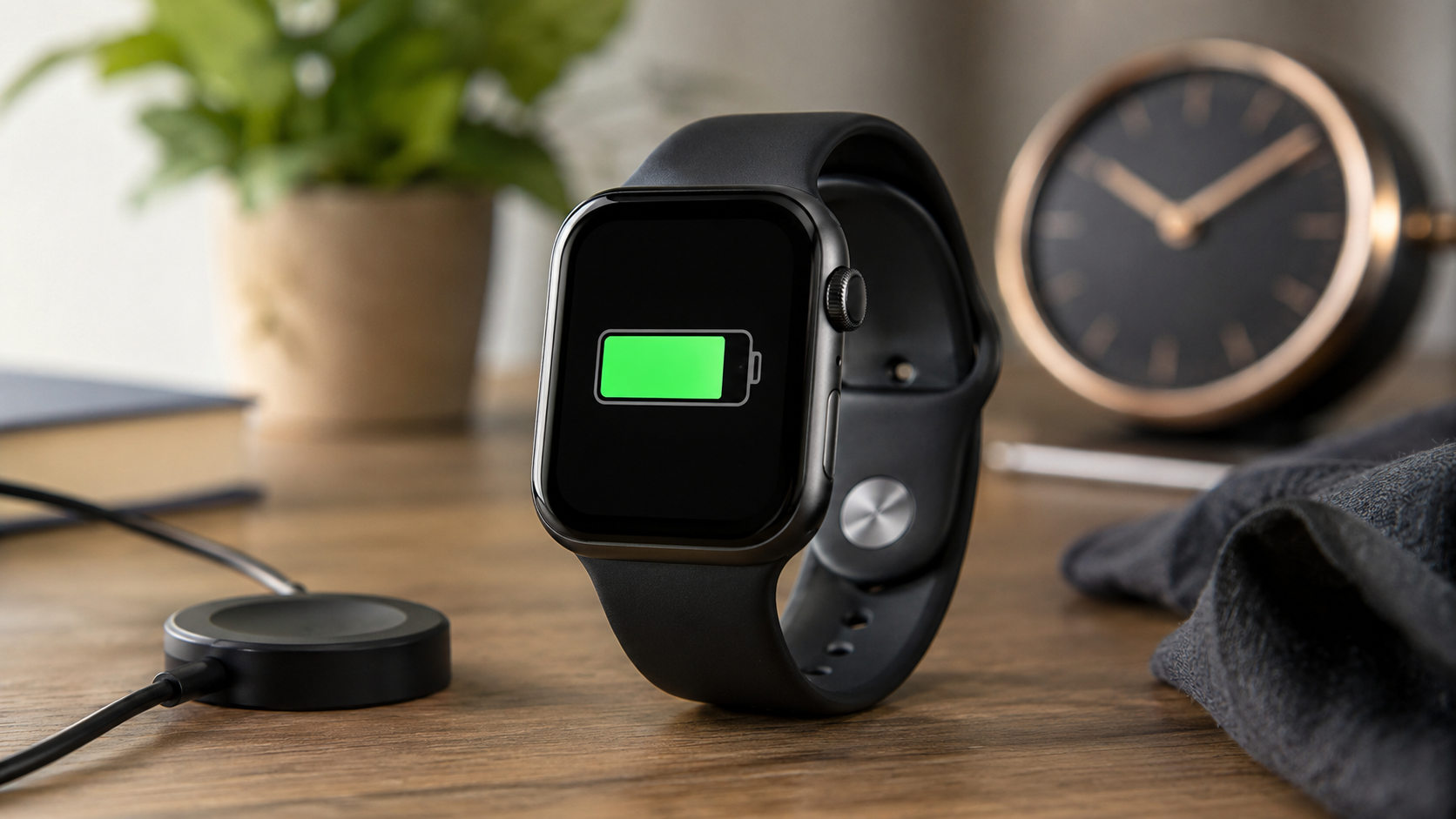
When buying a wearable device, one of the most critical questions buyers ask is: how long does a smartwatch battery last? The answer varies widely based on device operating systems, screen technology, background health sensors, and personal usage habits. While some feature-packed smartwatches require daily charging, specialized fitness timepieces can run for weeks on a single charge.
In this comprehensive guide, we examine realistic single-charge runtimes across different smartwatch categories, explain overall battery lifespan in years, detail the primary features that drain power, and offer practical steps to maximize your watch's battery efficiency.
Average Smartwatch Battery Life Across Categories
When evaluating how long does a smartwatch battery last, it helps to understand that smartwatches generally fall into three distinct architectural tiers. Higher computing power and richer displays naturally demand more energy.
Full-Featured Smartwatches (1 to 2 Days)
Devices running rich operating systems like WatchOS or Wear OS offer advanced app ecosystems, voice assistants, high-resolution OLED screens, and active LTE connectivity options. Due to these intensive workloads, a full-featured smartwatch typically lasts between 18 to 48 hours per charge under standard usage conditions.
Fitness-Focused & Sport Smartwatches (5 to 14 Days)
Dedicated sport and multi-sport wearables prioritize activity tracking over heavy app platforms. By utilizing power-efficient processors and Memory-in-Pixel (MIP) or optimized AMOLED screens, these devices generally last anywhere from 5 to 14 days on a single charge.
Hybrid & Minimalist Smartwatches (2 Weeks to 6+ Months)
Hybrid smartwatches combine mechanical hands or low-power monochrome displays with hidden digital tracking sensors. Because they lack power-hungry displays, hybrid models can run between 14 days to several months, with some utilizing replaceable coin-cell batteries that last over half a year.
Key Factors That Affect Smartwatch Battery Life
Two users wearing the exact same watch model can experience vastly different runtime results. Understanding the underlying hardware and software factors explains why single-charge performance varies so dramatically.
Display Type and Always-On Display Settings
The screen is typically the single largest consumer of power on a smartwatch. Bright, high-refresh AMOLED screens drain energy quickly, particularly when using an Always-On Display (AOD) mode, which can reduce total battery life by 30% to 50% compared to raise-to-wake functionality.
Continuous Bio-Sensors & Health Monitoring
Features like continuous heart rate tracking, electrodermal activity (EDA) monitoring, and pulse oximetry (SpO2) require optical sensors to shine LEDs continuously into your skin. Overnight continuous SpO2 tracking, in particular, imposes a heavy drain on small smartwatch batteries.
Location Tracking and Wireless Connectivity
Integrated GPS chips consume substantial power while constantly pinging satellites to log your coordinates. Running onboard standalone GPS or streaming audio over Bluetooth directly from your watch accelerates battery depletion significantly compared to offline timekeeping.
How Long Does a Smartwatch Battery Last in Overall Lifespan?
Beyond single-charge runtime, users need to consider the total overall lifespan of the physical battery before it permanently degrades.
Lithium-Ion Charge Cycles Explained
Most modern smartwatches use compact rechargeable Lithium-Ion or Lithium-Polymer batteries. These batteries are typically rated for 300 to 500 full charge cycles before chemical degradation degrades their original capacity to about 80%.
Expected Lifespan in Years
For a daily-charged smartwatch, reaching 500 cycles takes roughly 2 to 3 years. After this point, you will notice that the device loses power faster than when it was brand new. Watches requiring charges only once or twice a week may maintain healthy battery capacity for 4 to 6 years.
Practical Ways to Extend Your Smartwatch Battery Life
If you want to maximize single-charge length without sacrificing core usability, simple adjustments to your watch settings can yield dramatic gains in runtime.
Optimize Display Settings
Disable Always-On Display when it is not needed, lower maximum screen brightness, and reduce display auto-lock timeouts (e.g., set screen timeout to 5 or 10 seconds). Choosing dark-themed watch faces on OLED screens also conserves battery energy because dark pixels consume minimal to no power.
Manage App Notifications and Background Syncing
Limit incoming push notifications strictly to high-priority apps. Every incoming alert lights up the display and triggers vibration motors, both of which drain power. Additionally, turn off automatic background app updates and disable non-essential voice command wake-word detection.
Adjust Sensor Frequencies
Switch continuous SpO2 readings from 'always on' to 'sleep only' or manual spot-checks. If you do not require high-precision GPS route mapping for daily casual walks, consider using phone-tethered GPS modes or standard low-power GPS sampling rates instead of dual-frequency multi-GNSS tracking.
Best Charging Habits for Smartwatch Battery Health
Adopting healthy charging routines slows down physical chemistry breakdown and keeps your device's battery performing reliably over several years of daily use.
Avoid Extreme Battery Depletion
Try to keep your smartwatch battery level between 20% and 80% when possible. Allowing the battery to drain completely to 0% repeatedly places excess stress on Lithium-ion cells and accelerates capacity loss.
Prevent Excessive Heat Exposure during Charging
Heat is one of the primary catalysts for battery degradation. Avoid placing your smartwatch in direct sunlight or on hot surfaces while charging, and use official or certified chargers to prevent improper voltage delivery and overheating.
Frequently Asked Questions
How long does a smartwatch battery last on average?
On average, a full-featured smartwatch lasts between 1 and 2 days per charge, whereas dedicated fitness and sport smartwatches can last anywhere from 5 days to 2 weeks depending on sensor usage and screen settings.
What is the total overall lifespan of a smartwatch battery in years?
Most smartwatch batteries last between 2 to 3 years before chemical wear causes capacity to drop noticeably. Devices charged less frequently can maintain usable battery capacity for 4 years or longer.
Does Always-On Display drain smartwatch battery quickly?
Yes, enabling Always-On Display (AOD) can reduce your smartwatch battery life by approximately 30% to 50% because the screen remains illuminated constantly.
Why does GPS drain my smartwatch battery so fast?
GPS chips require continuous communication with multiple satellites to accurately track your movement and calculate coordinates, making continuous location tracking one of the most power-intensive smartwatch features.
Can you replace a degraded smartwatch battery?
While some manufacturers or specialized repair shops can replace built-in batteries, many modern water-resistant smartwatches are sealed, making battery replacement difficult or economically impractical compared to purchasing a new device.
Is it safe to leave a smartwatch on the charger overnight?
Modern smartwatches feature protective circuits that stop charging once the battery reaches 100%. However, leaving the device on the charger continuously at elevated room temperatures can cause minor thermal stress over time.
Conclusion
When asking how long does a smartwatch battery last, the answer hinges on device design and user management. Full-featured smartwatches prioritize bright displays and rich application ecosystems at the cost of daily or bi-daily charging schedules. In contrast, fitness-oriented timepieces sacrifice advanced app stores to deliver multi-day or multi-week performance.
By managing high-drain features such as Always-On Display, continuous SpO2 monitoring, and GPS tracking, you can noticeably boost single-charge runtimes while practicing smart charging habits to preserve long-term battery health for years to come.
Related Reading
- optimizing smartwatch power settings — Step-by-step guide on configuring battery saver modes and screen timeouts
- lithium-ion battery health maintenance — Comprehensive recommendations for wearable chemical battery care
- fitness tracker vs smartwatch power consumption — Detailed breakdown comparing wearable displays and sensor efficiency